Understand the Science • Reduce Exposure • Protect Your Health
Answers on Hormones, Fertility, & Long-Term Health Risks
From Research to Real-World Action You Can Apply Today
Understand the Science • Reduce Exposure • Protect Your Health
Real Answers on Hormones, Fertility, and Long-Term Health Risks
From Research to Real-World Action You Can Apply Today
Microplastics & Environment
Understand how microplastics enter the body, where they come from, and how to reduce exposure in everyday life.
Men’s Health
Evidence-based insights into heart disease, prostate health, sexual health, and long-term risk prevention.
Preventive Health
Practical strategies for reducing disease risk, improving longevity, and taking control of your health outcomes.
Why This Research Matters
We are exposed to thousands of synthetic chemicals and microplastics every day—through the air we breathe, the water we drink, and the food we consume.
Emerging research shows these particles can enter the bloodstream, accumulate in organs, and disrupt critical biological systems—including hormones, cardiovascular health, and reproductive function.
This site brings together science-backed research, practical strategies, and clear explanations—so you can understand the risks and take meaningful action.
Featured Books
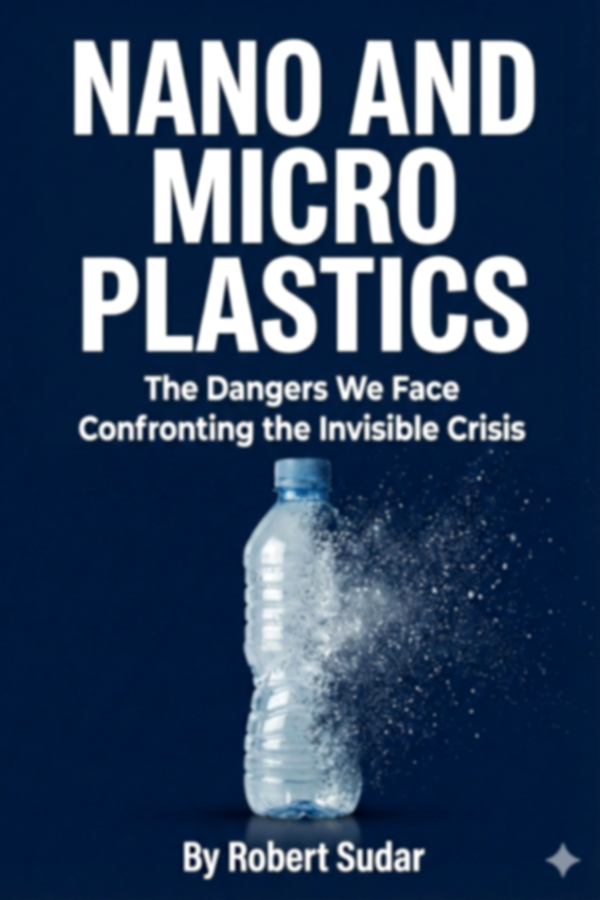
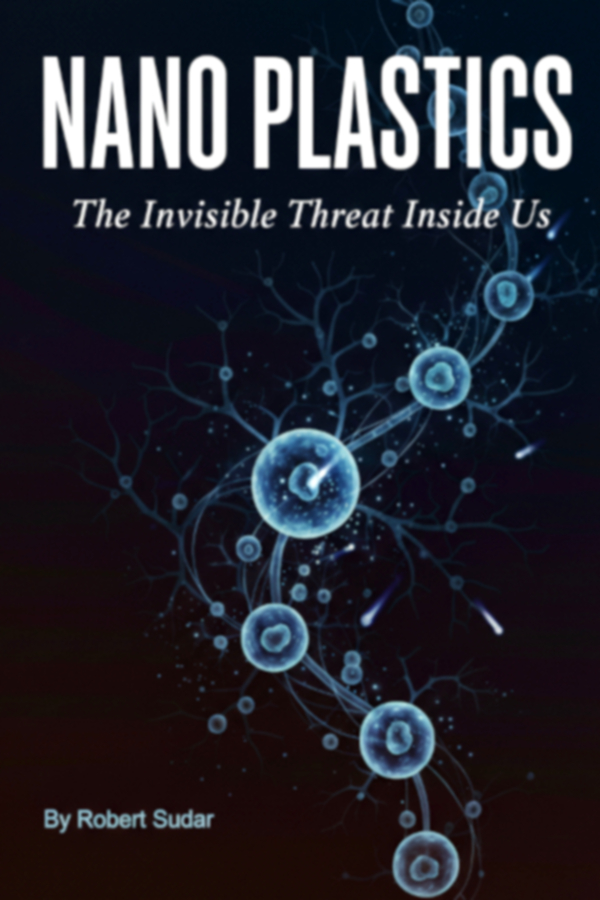
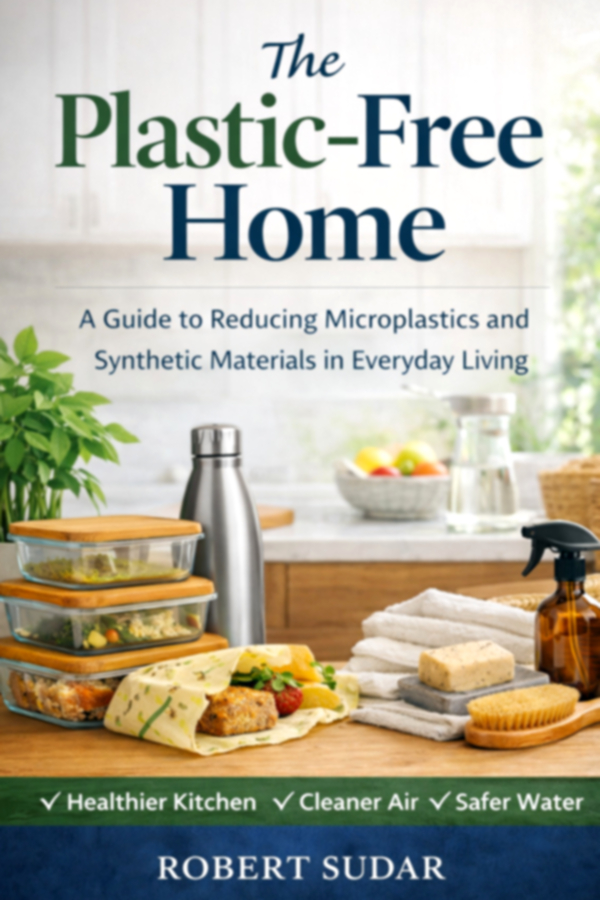
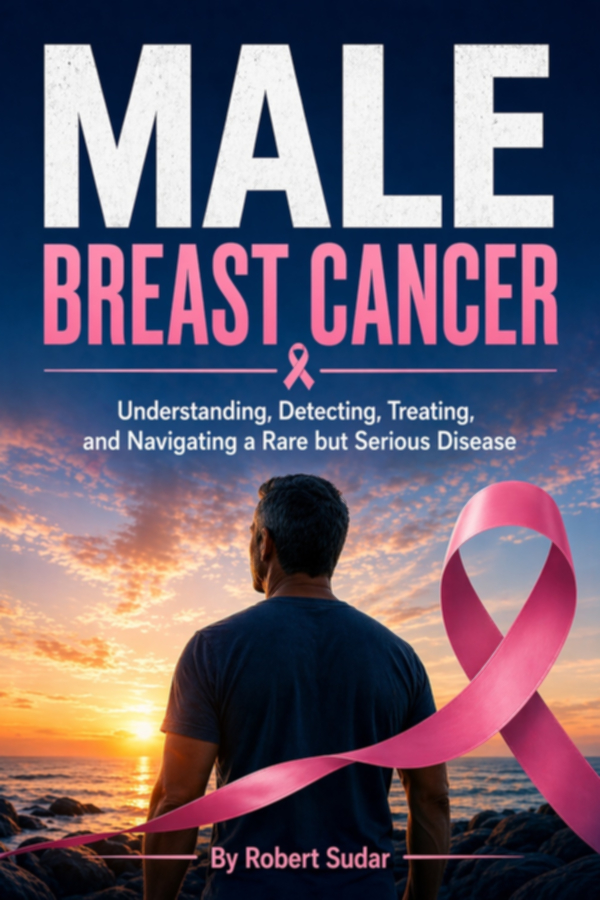
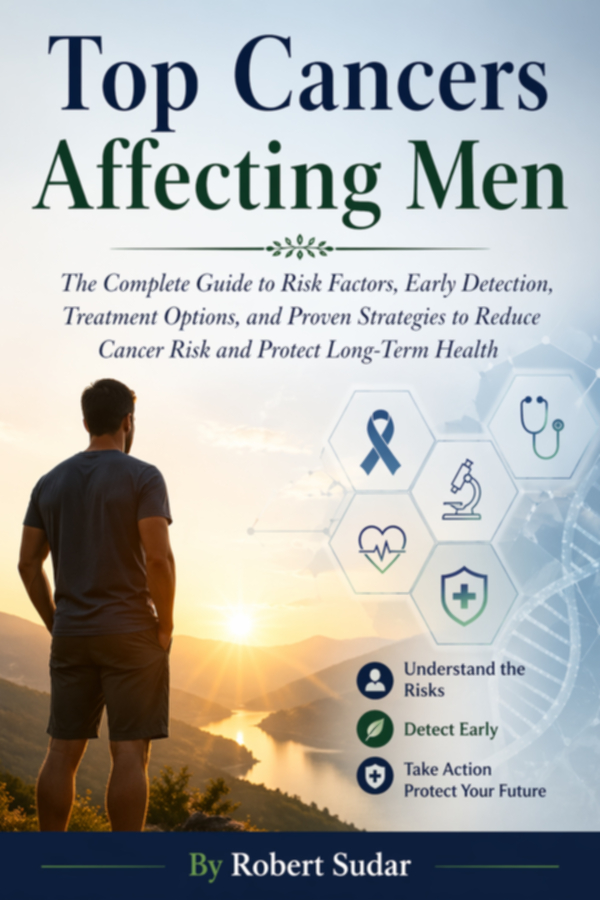
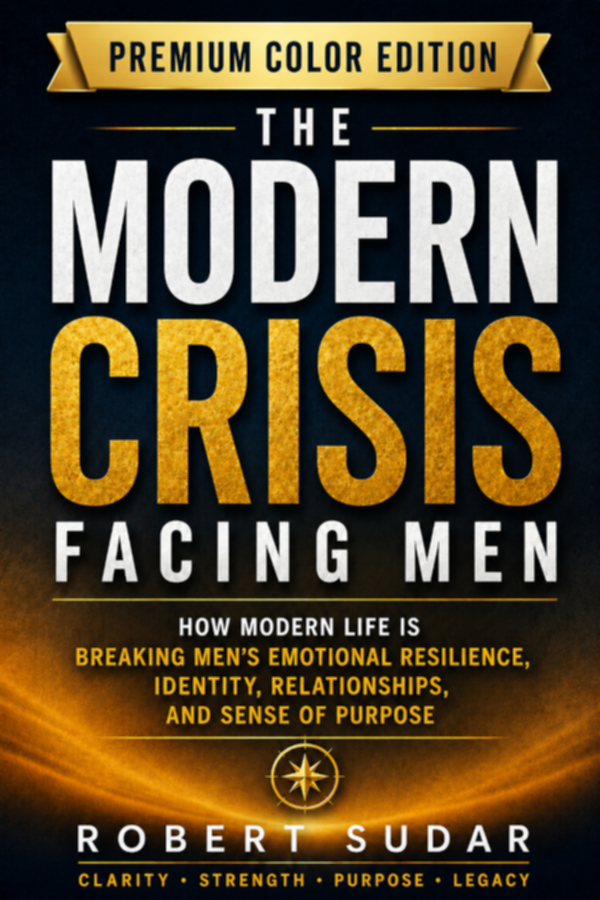
Explore research-driven books on microplastics, preventive health, and men’s health issues—written to turn complex science into clear, practical action.
Plastics & Environmental Health
Research-driven books on microplastics, nanoplastics, and reducing household exposure to synthetic contaminants. More titles coming soon.