
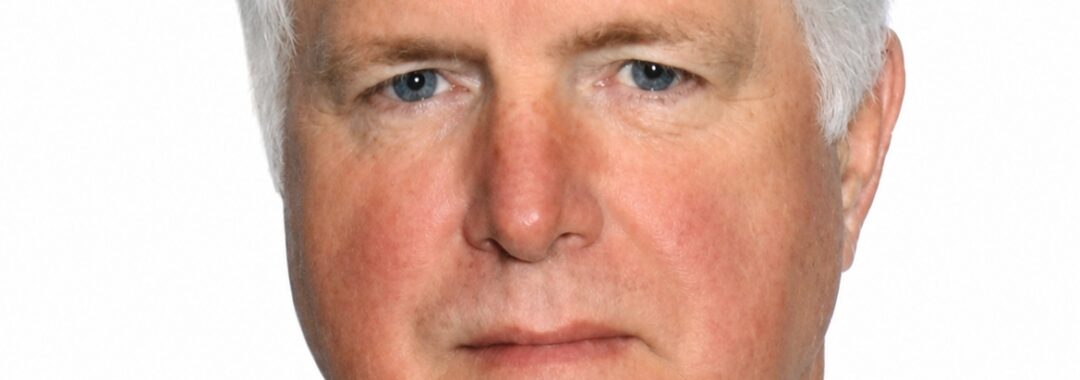
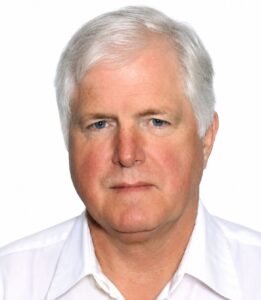
Most people have never heard the name Jimmy Boyd.
Yet for decades, men across America benefited from work they never saw and from efforts taking place behind the scenes that helped shape the modern men's health movement.
I had the privilege of knowing Jimmy Boyd for more than thirty-five years. I first met Jimmy in the early 1990s through Men's Health Network, during a period when men's health was still fighting for visibility and recognition. Long before men's health became a broader public conversation, Jimmy was already doing the work.
I was there during the early years of the movement. I watched advocates work to bring attention to issues affecting men and boys and push those concerns into the national conversation. During those years, Jimmy became one of the most dedicated and influential people I knew.
Jimmy served as Executive Director at Men's Health Network in Washington, D.C., but titles alone do not tell his story.
Some people become known through visibility.
Jimmy became known through effectiveness.
He was never interested in being the center of attention. He was thoughtful, strategic, and understood something many people never fully appreciate about advocacy and public policy: real change often happens quietly.
The public usually sees press conferences, speeches, and announcements.
They rarely see the countless phone calls, meetings, relationship building, persistence, and hard work taking place behind the scenes.
Jimmy understood that world.
And he excelled at it.
He had an extraordinary ability to work with people, navigate difficult political realities, and help move ideas forward in ways that could actually succeed. While others focused on public visibility, Jimmy focused on results.
Among his many contributions, Jimmy played a major role in helping advance the work that contributed to Congressional recognition of Men's Health Week in the 1990s. That effort became a major milestone in bringing men's and boys' health issues into broader national awareness.
The importance of Jimmy's work was publicly recognized during Congressional proceedings. Congressman Bill Richardson specifically acknowledged Jimmy's contributions, stating:
"I especially thank Jimmy Boyd..."
That brief statement may seem simple on the surface, but those words carried enormous meaning. Legislative victories do not happen by accident. Public recognition on the Congressional record reflected the respect Jimmy had earned and the important role he played in helping move the effort forward.
For those of us who worked alongside him, that recognition came as no surprise.
But Jimmy's impact extended far beyond legislation or policy.
He mentored people.
He built relationships.
He encouraged others.
He brought people together.
And he carried a genuine commitment to improving the lives of men and boys.
What made Jimmy unique was not simply what he accomplished. It was how he accomplished it.
Some leaders seek the spotlight.
Others quietly become the foundation that supports everything around them.
Jimmy belonged to the second group.
Many people outside the men's health community may never fully understand how much influence he had because much of his work happened where cameras were absent and public recognition was limited.
But people who knew him understood.
I understood.
Jimmy Boyd passed away in January 2025, but the work he helped build continues.
Today men still face enormous health challenges. Heart disease, cancer, mental health struggles, preventive care gaps, and countless other issues continue affecting millions of men and families.
The movement Jimmy helped build remains as important today as ever.
Years from now, people may search for Jimmy Boyd's name and find only fragments of history.
An award.
A reference.
A brief article.
A few scattered mentions.
But those of us who knew Jimmy remember something much greater.
We remember a friend.
We remember a leader.
We remember a man whose quiet influence changed lives.
And we remember someone who spent decades doing the work—not for recognition, but because he believed it mattered.
Thank you, Jimmy.
Your work mattered.
Your friendship mattered.
And your legacy lives on.
By Robert Sudar
