Drinking Water
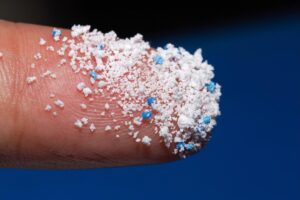
Microplastics have been detected in bottled water, tap water, and many beverages. Your source of drinking water, how beverages are packaged, and whether you use water filtration can all influence your potential exposure.
Answer the following questions based on your typical habits during the past year.
There are no right or wrong answers. Choose the response that best reflects your usual daily habits.
Food
Food is considered one of the largest potential sources of microplastic exposure. Packaging, food storage, food preparation, canned foods, and highly processed foods may all contribute to exposure.
Consider your normal eating habits rather than occasional events.
Think about what you normally eat over the course of a typical week, not just today.
Household Exposure
Microplastics can accumulate inside homes as dust released from carpets, furniture, clothing, and household products. Cleaning habits and indoor air quality may influence the amount of plastic particles present in your environment.
Answer based on your primary residence.
If you spend most of your time in one home, answer using that location.
Personal Habits
Some everyday habits can increase contact with plastics through food, beverages, clothing, and other consumer products. This section focuses on behaviors that may contribute to long-term exposure.
Answer honestly based on your normal routine.
Choose the answer that best describes your typical behavior over the past year.
Cooking Practices
Heating plastics can increase the release of microscopic plastic particles into food and beverages. Your cookware, food containers, utensils, and beverage containers may all influence exposure.
Consider how you usually prepare meals at home.
Think about your regular cooking habits rather than occasional situations.
Lifestyle
Lifestyle choices, workplace activities, and everyday purchasing habits can affect your overall exposure to microplastics. This final section looks at broader behaviors that may contribute to cumulative exposure.
Answer each question based on your current lifestyle.
Your answers will help estimate your overall exposure pattern across multiple areas of daily life.
Law Enforcement Occupational Exposure
Law enforcement work can involve extended time in vehicles and indoor facilities, regular use of synthetic uniforms and protective equipment, roadside and traffic-related particles, and other duty-specific environments that may contribute to contact with microplastics and related polymer particles. This section asks about your typical work conditions and practices.
Answer based on your primary assignment and typical duties during the past 12 months. If a question does not apply to your role, select Never or the lowest available frequency.