Get The Book!
Ready to better understand nanoplastics, and what practical steps you can take right now? Get the book on Amazon.
Available now on Amazon — Start reading today.
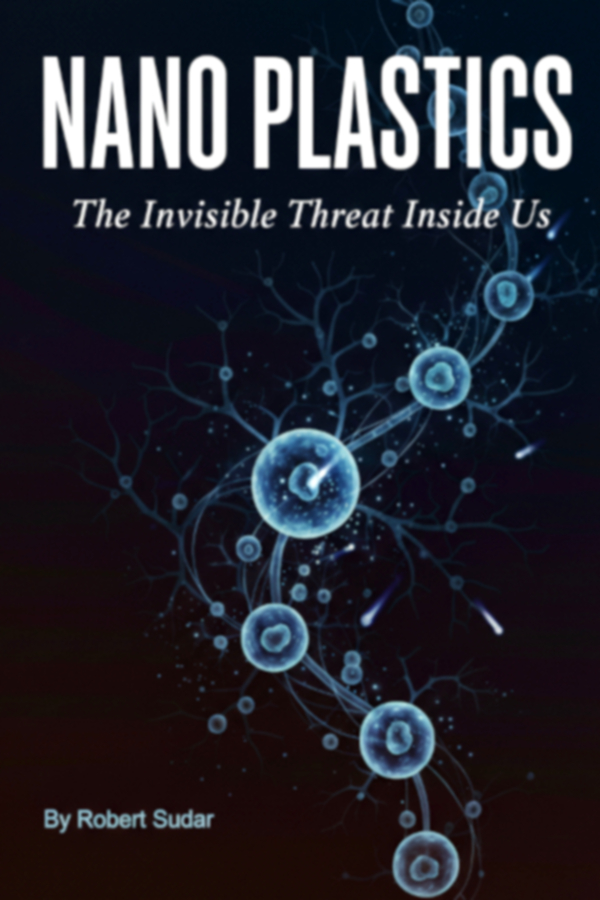
Nanoplastics represent the smallest—and potentially most dangerous—form of plastic pollution. Unlike larger microplastics, these particles are small enough to cross biological barriers, enter the bloodstream, and interact directly with cells.
This book explores what nanoplastics are, how they form, where they are being found in the human body, and what emerging science is revealing about their potential impact on long-term health.
Available now on Amazon
Clear. Evidence-based. Actionable.
What You’ll Learn
- What nanoplastics are—and how they differ from microplastics
- How these particles form and enter the human body
- Where nanoplastics are being detected in organs and tissues
- What current research suggests about cellular and systemic effects
- Why nanoplastics may pose unique long-term health risks
- Practical steps to reduce exposure in everyday life
Why This Matters Now
Nanoplastics are no longer theoretical—they are being detected in human blood, organs, and even across biological barriers once thought to be protected.
Because of their size, these particles may interact directly with cells, potentially affecting inflammation, oxidative stress, and long-term biological processes.
Research is still developing, but early findings point to a level of exposure that demands attention now—not later.
Who This Book Is For
- Individuals concerned about environmental health and long-term exposure risks
- Readers who want clear, evidence-based explanations without technical jargon
- People looking for practical ways to reduce plastic exposure in daily life
- Anyone interested in emerging research on nanoplastics and human health
